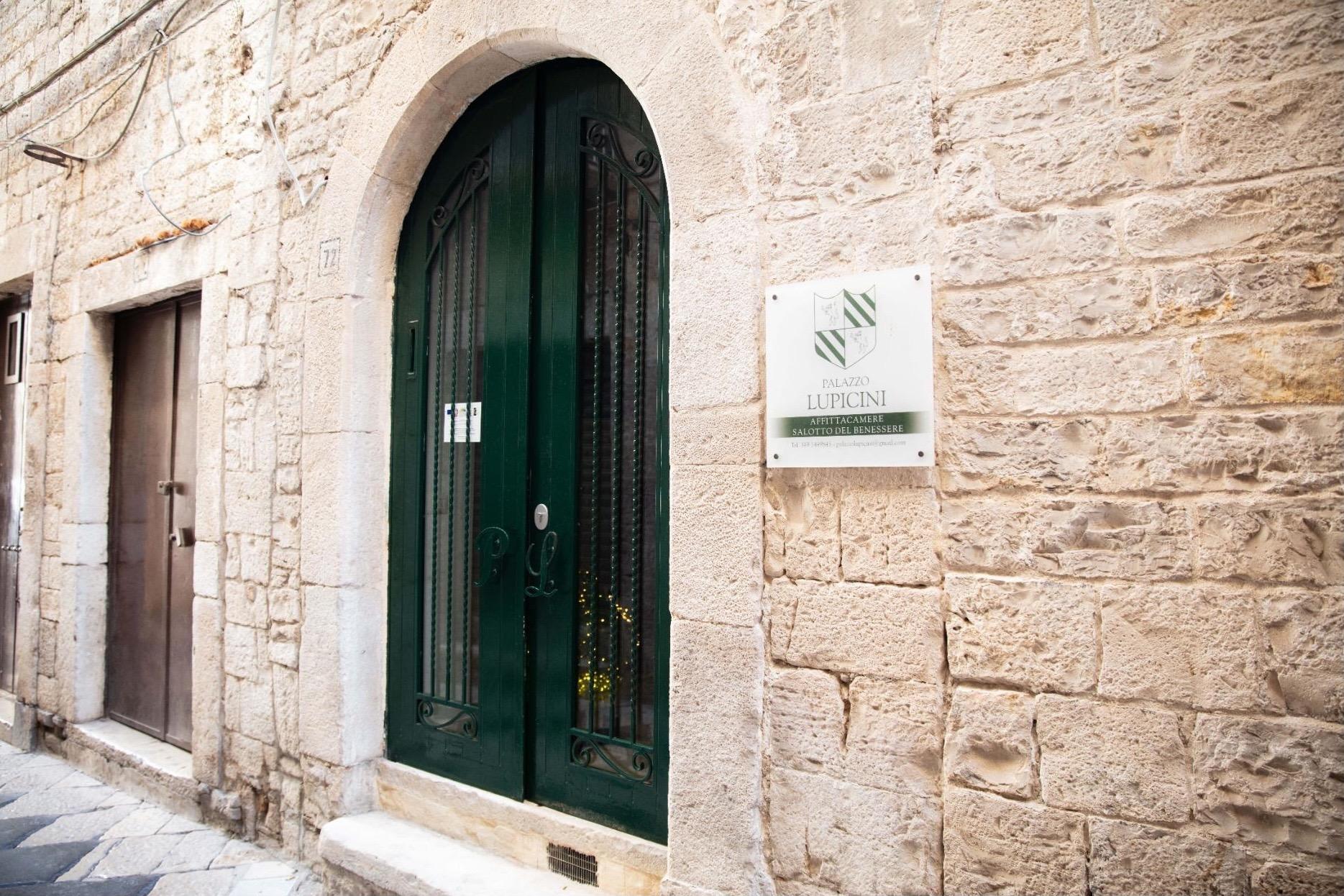
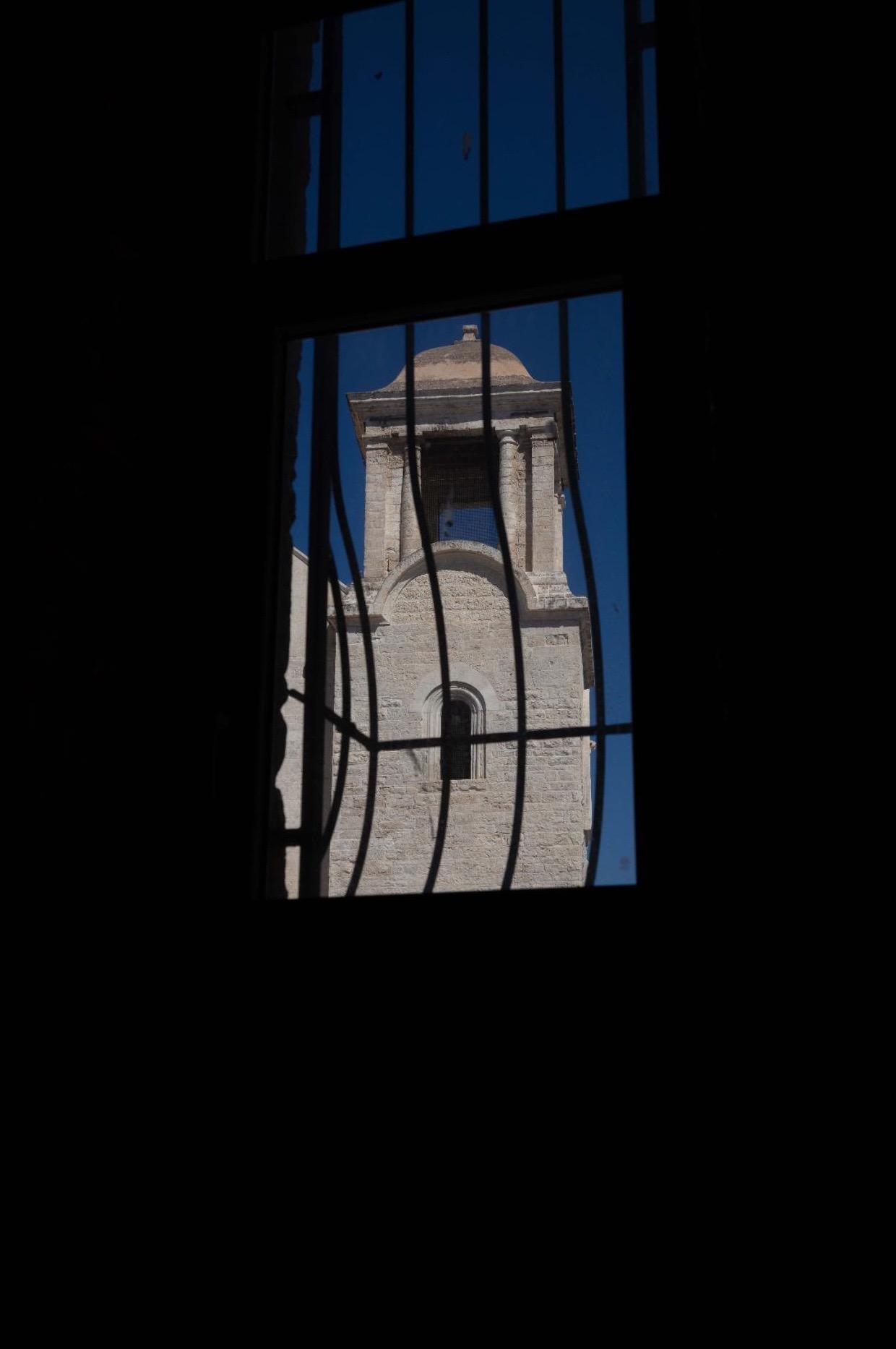





Palazzo Lupicini, a noble building dating back to the 17th century, is located in the vibrant heart of the historic center of Bisceglie, just a few steps from the magnificent Concattedrale di San Pietro Apostolo and very close to the lively train station and the marina. Immersed in a tranquil atmosphere, the palace represents a welcoming oasis for those who wish to explore the wonders of this "City of the Dolmens and Normans," strolling through charming alleys and enchanting glimpses.
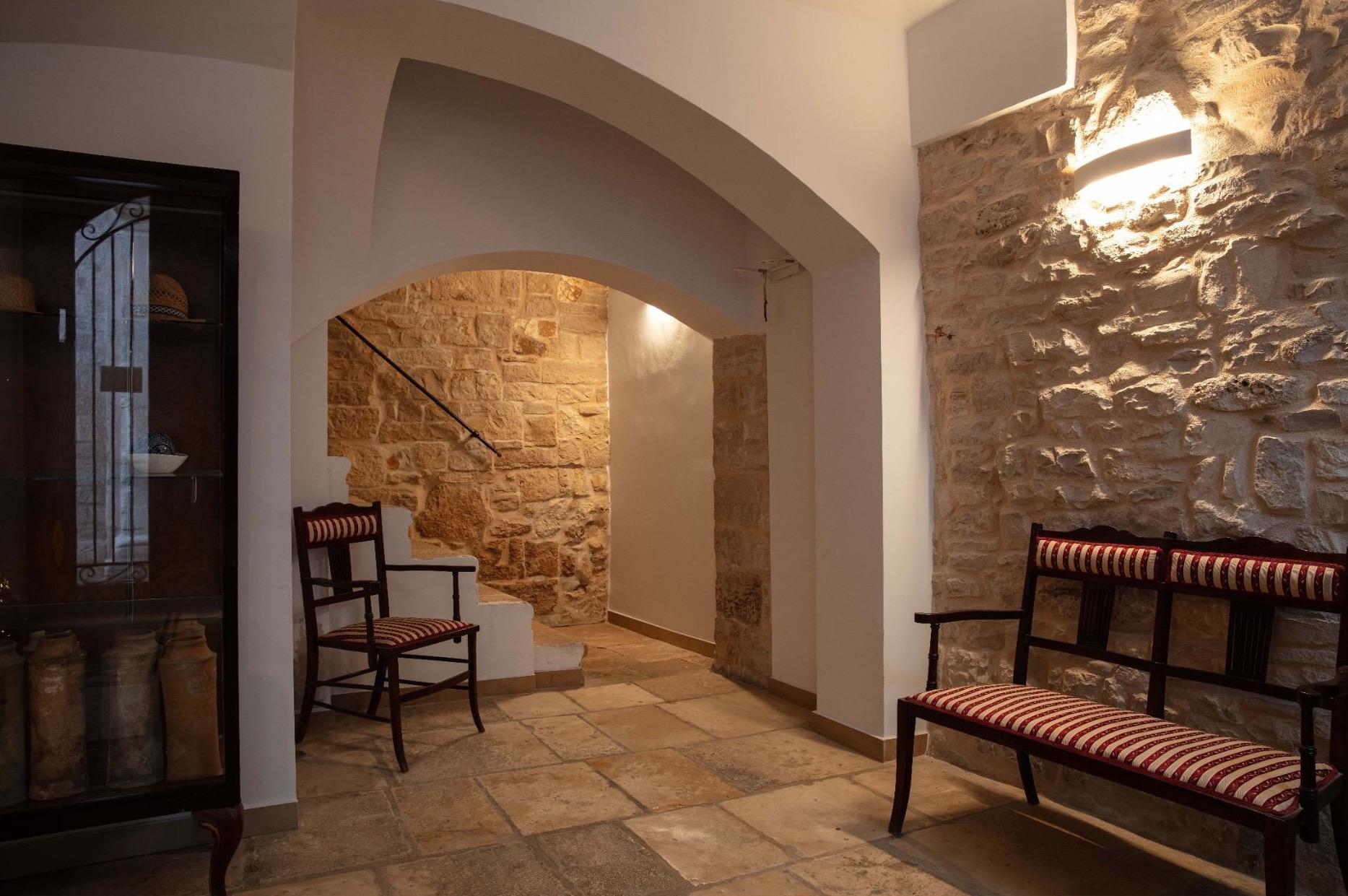
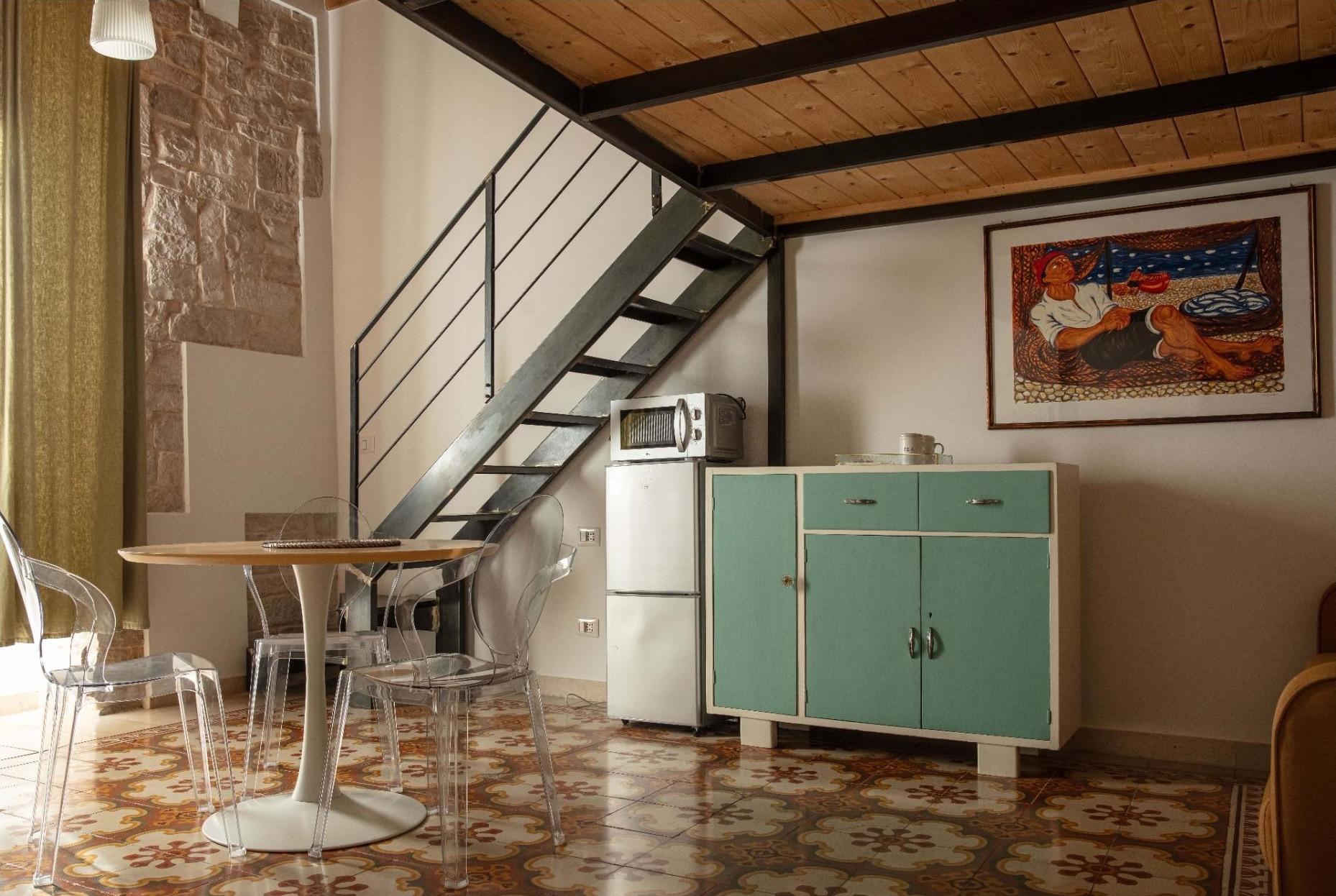
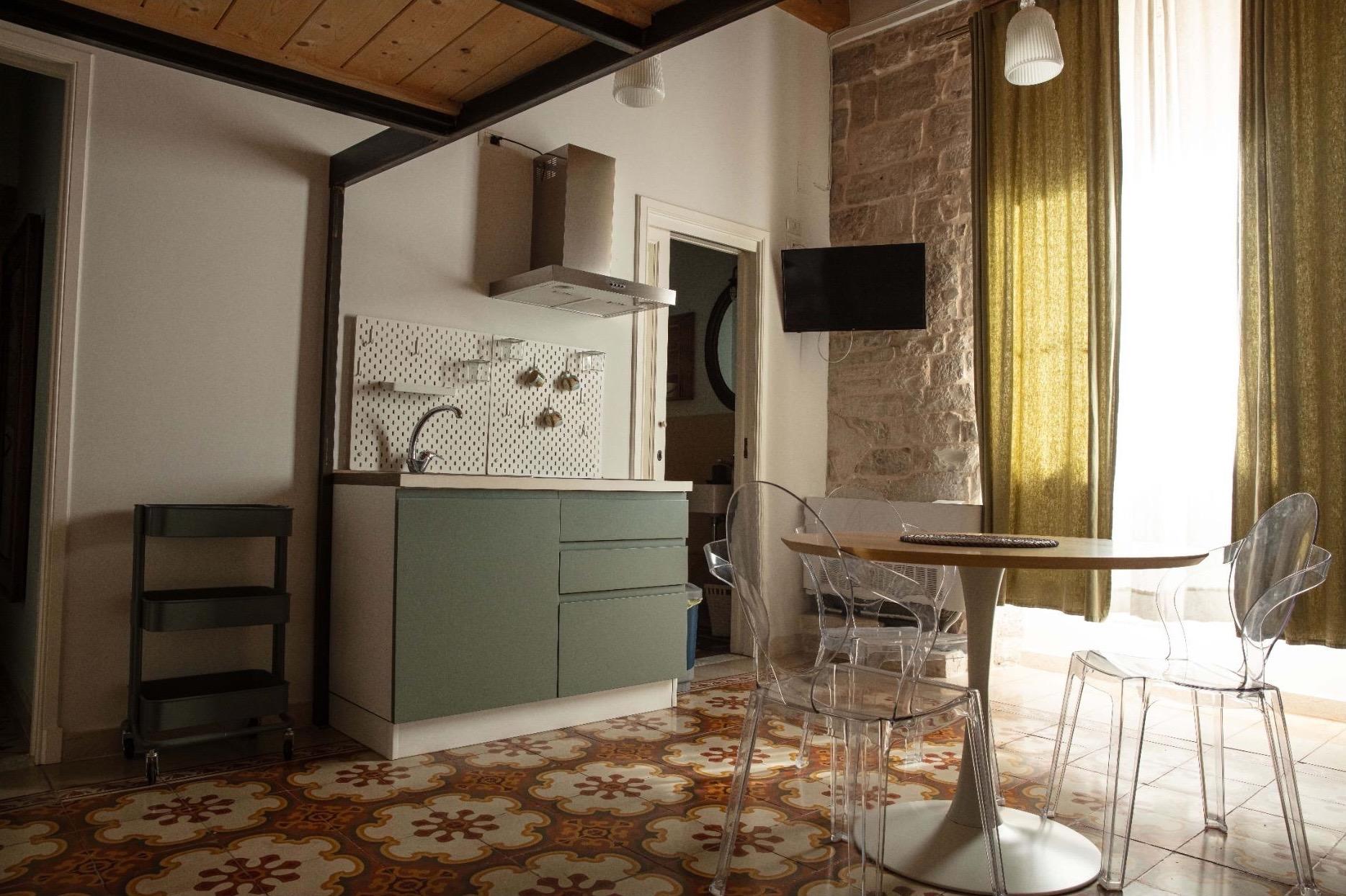
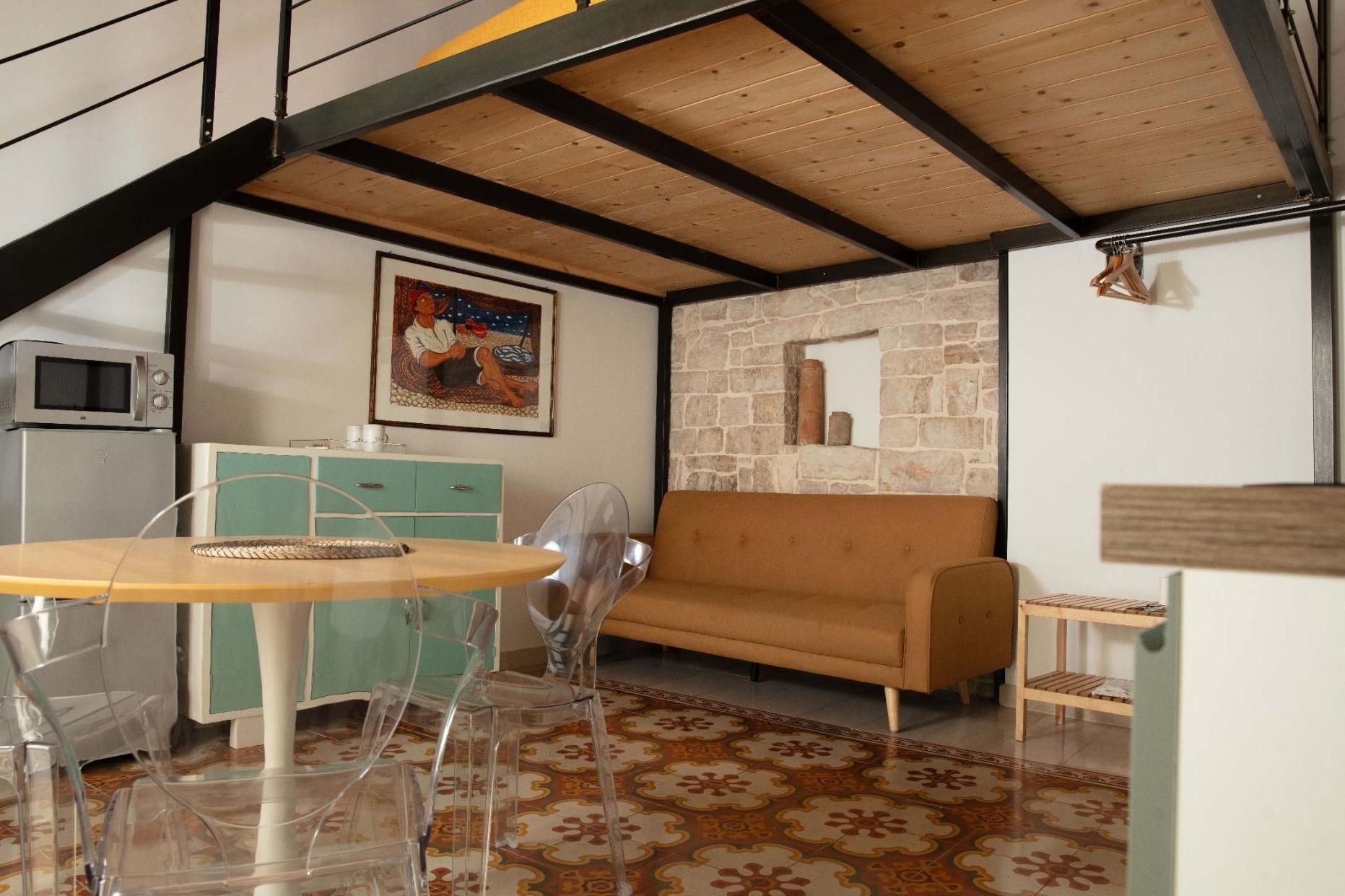
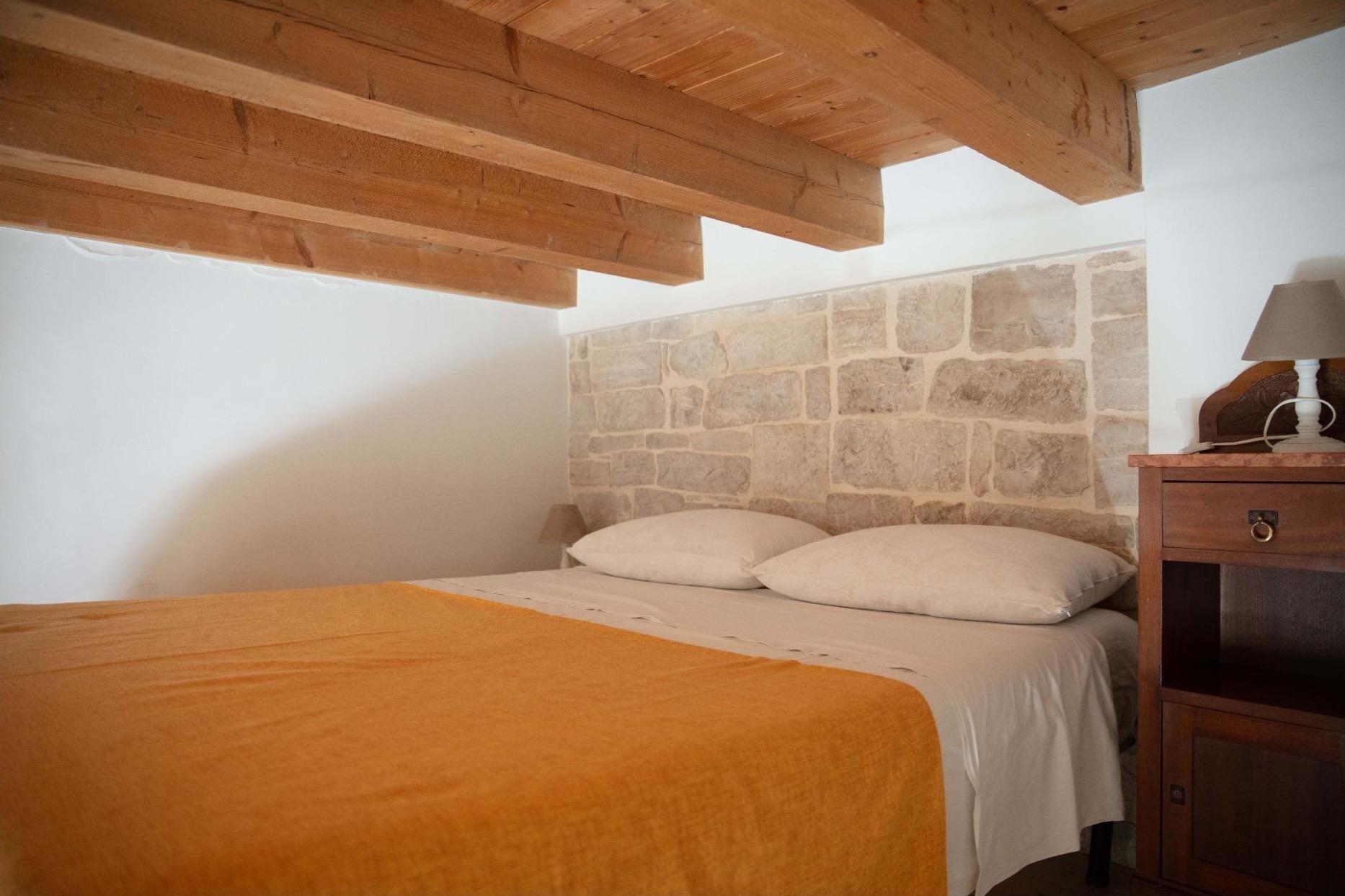
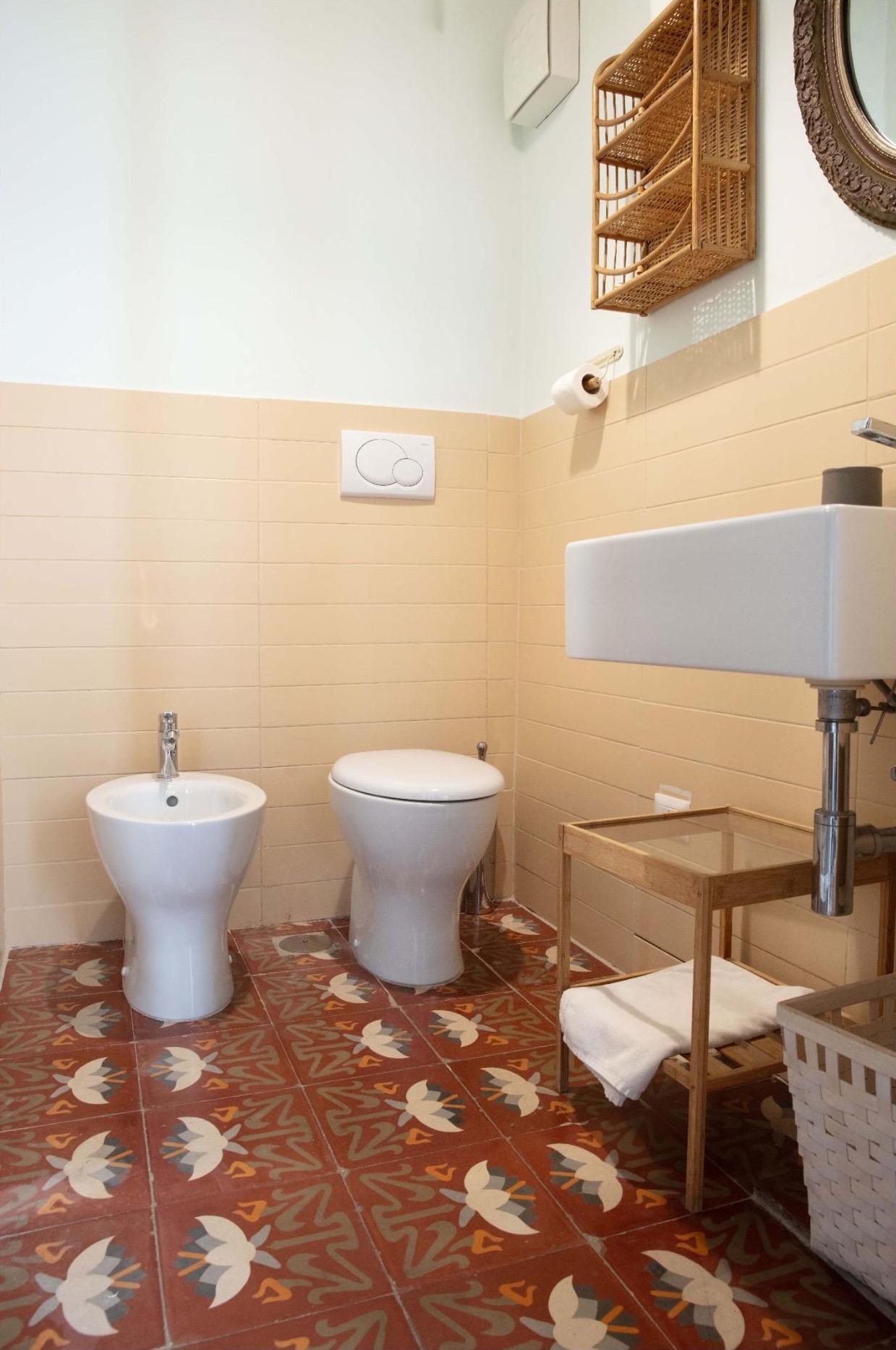
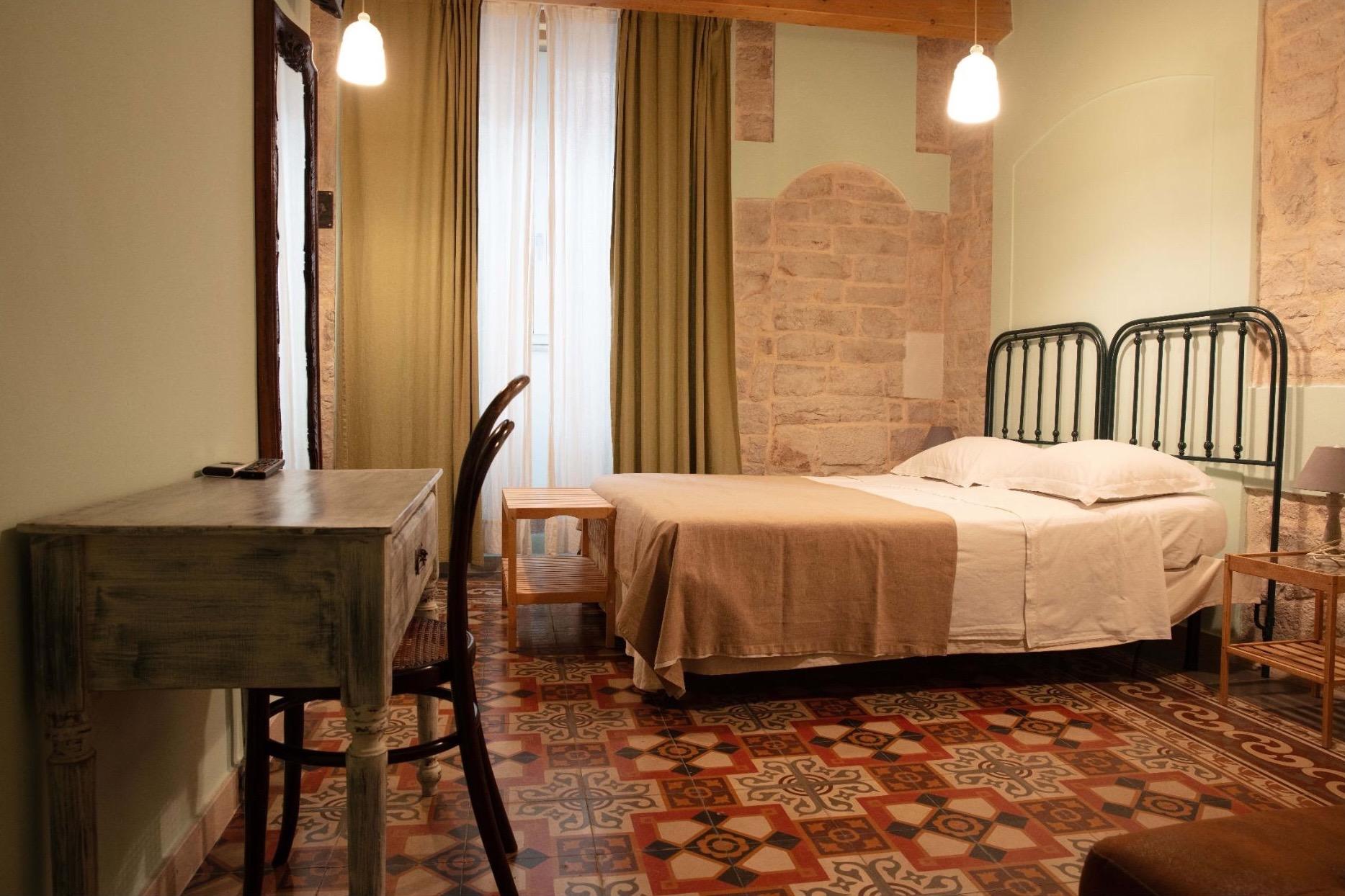
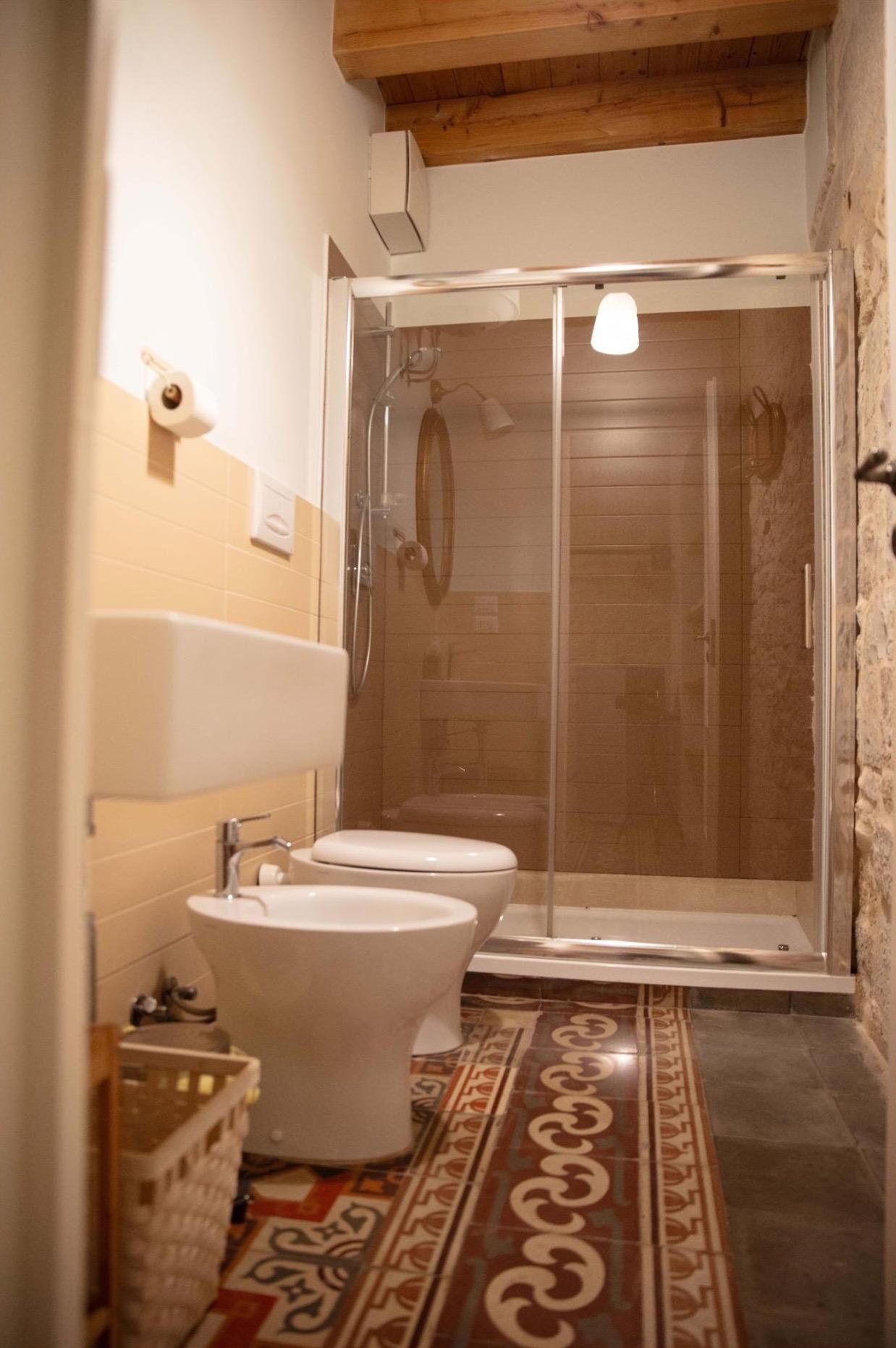
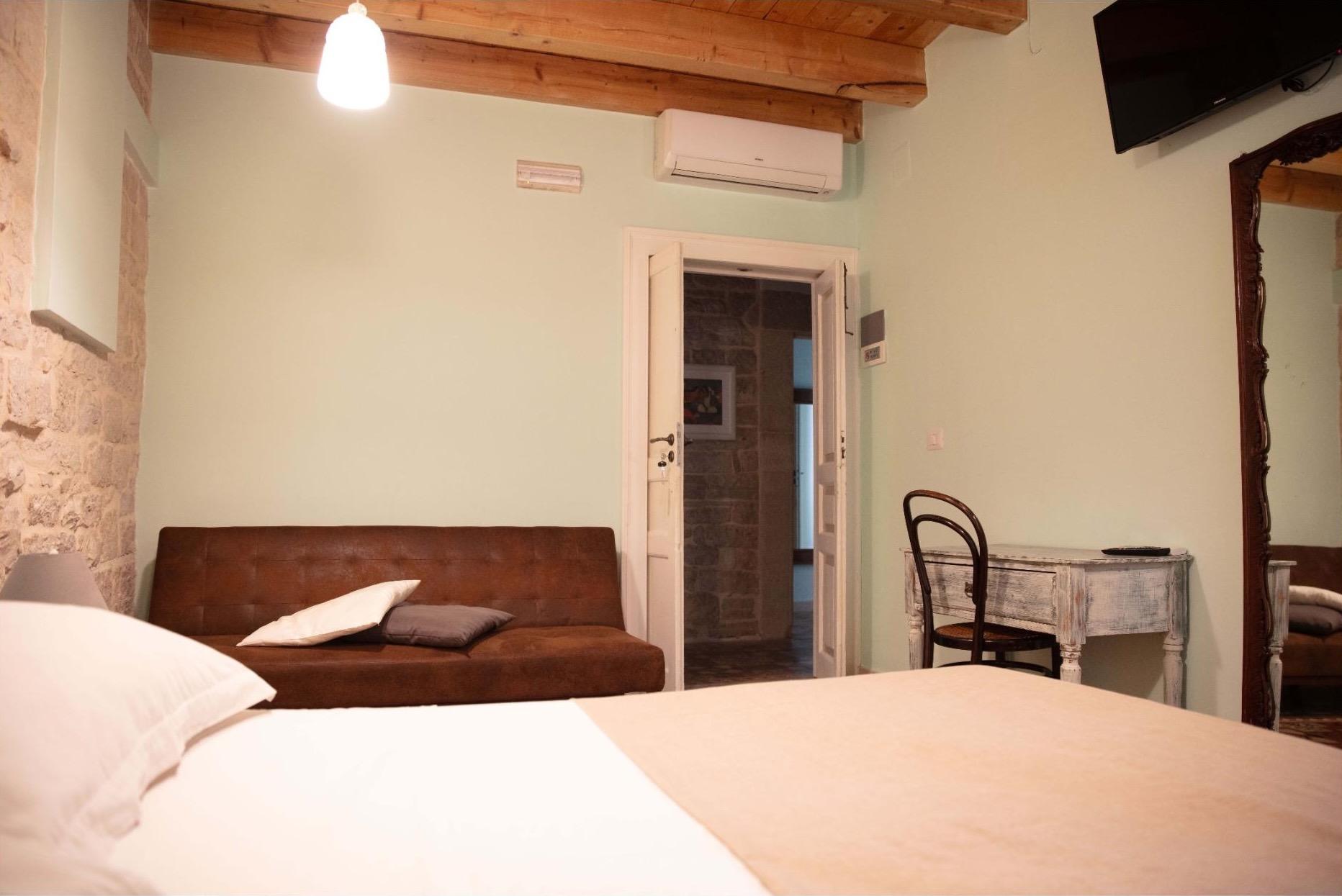
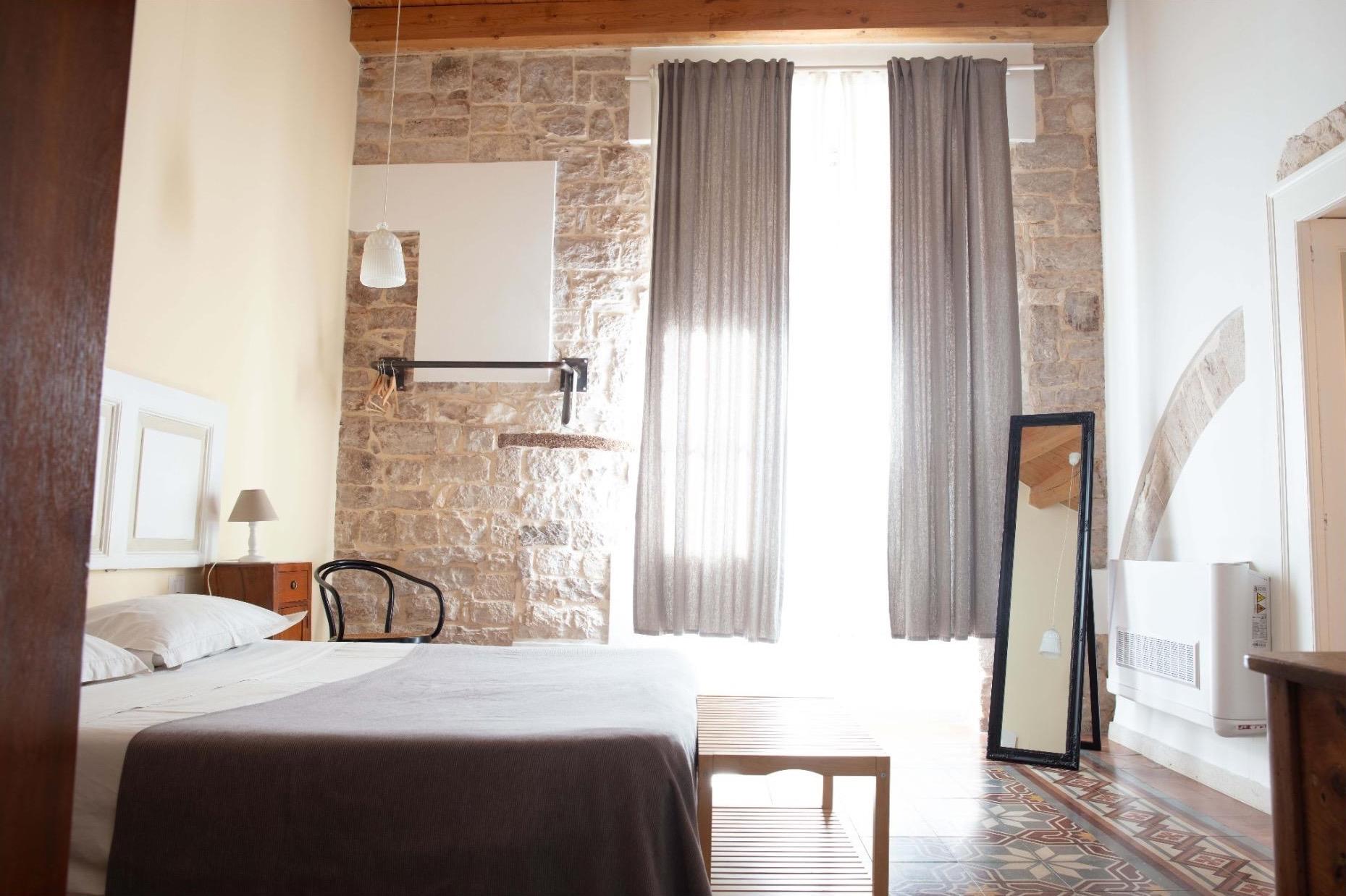
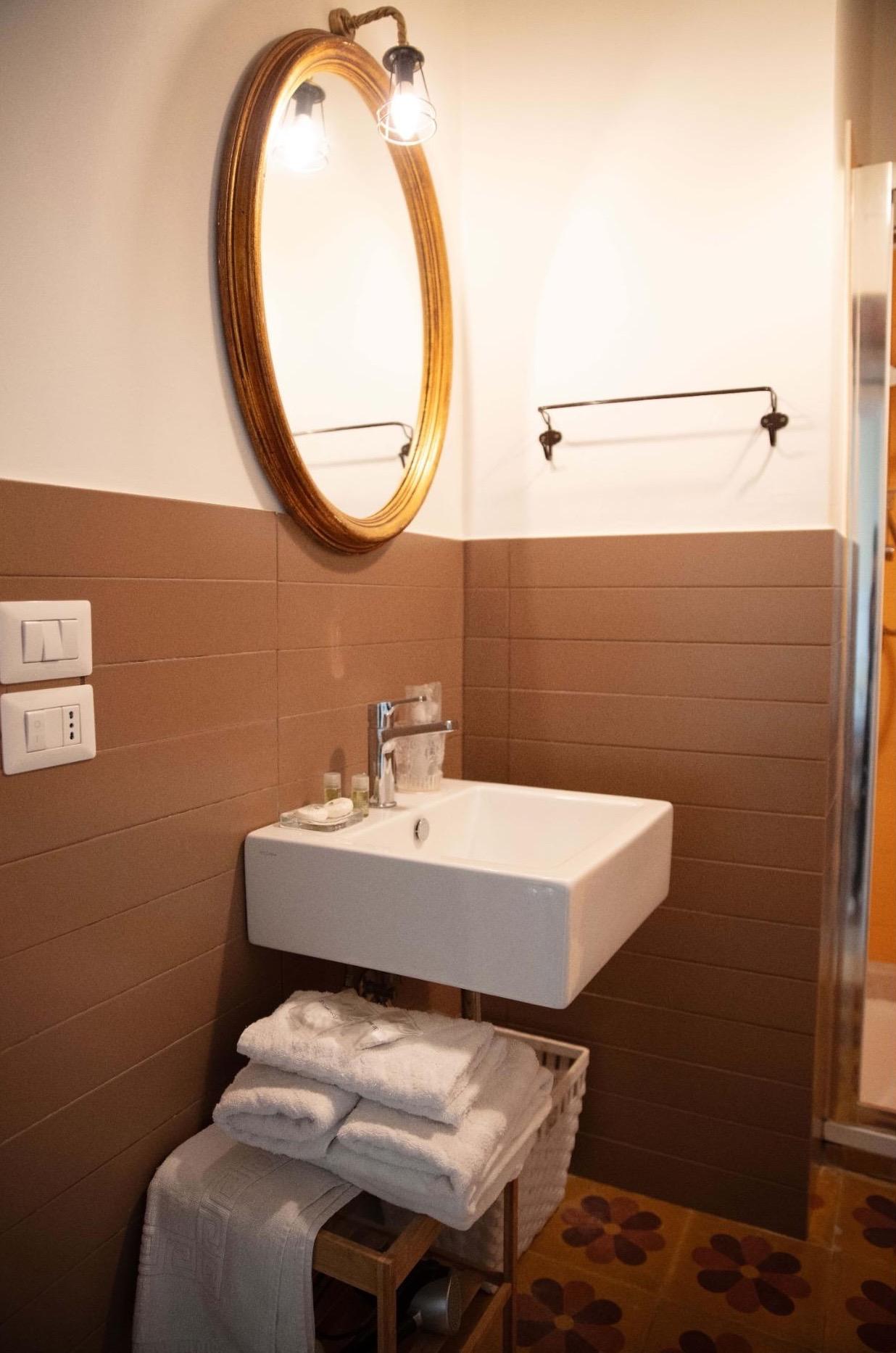
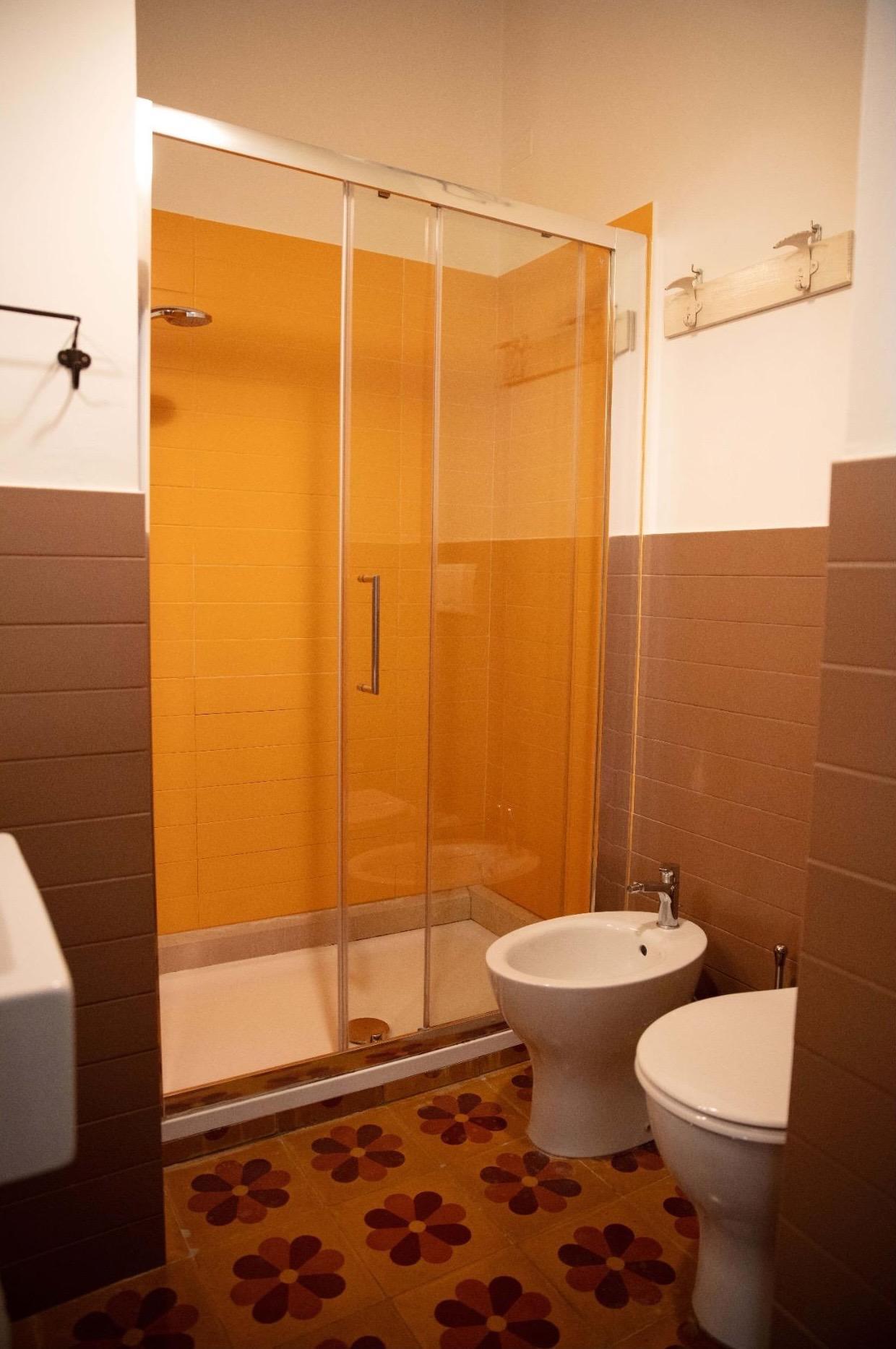
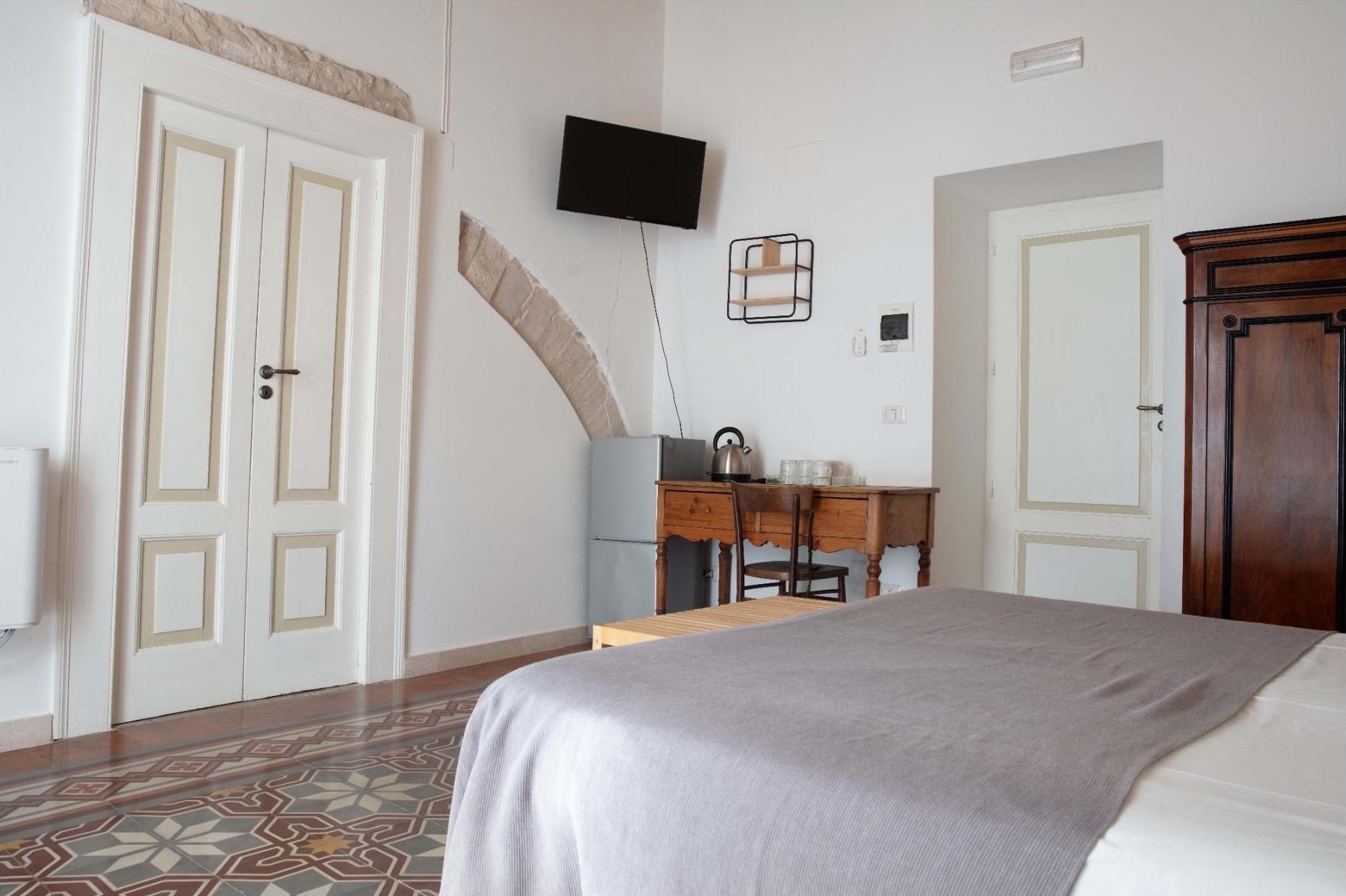
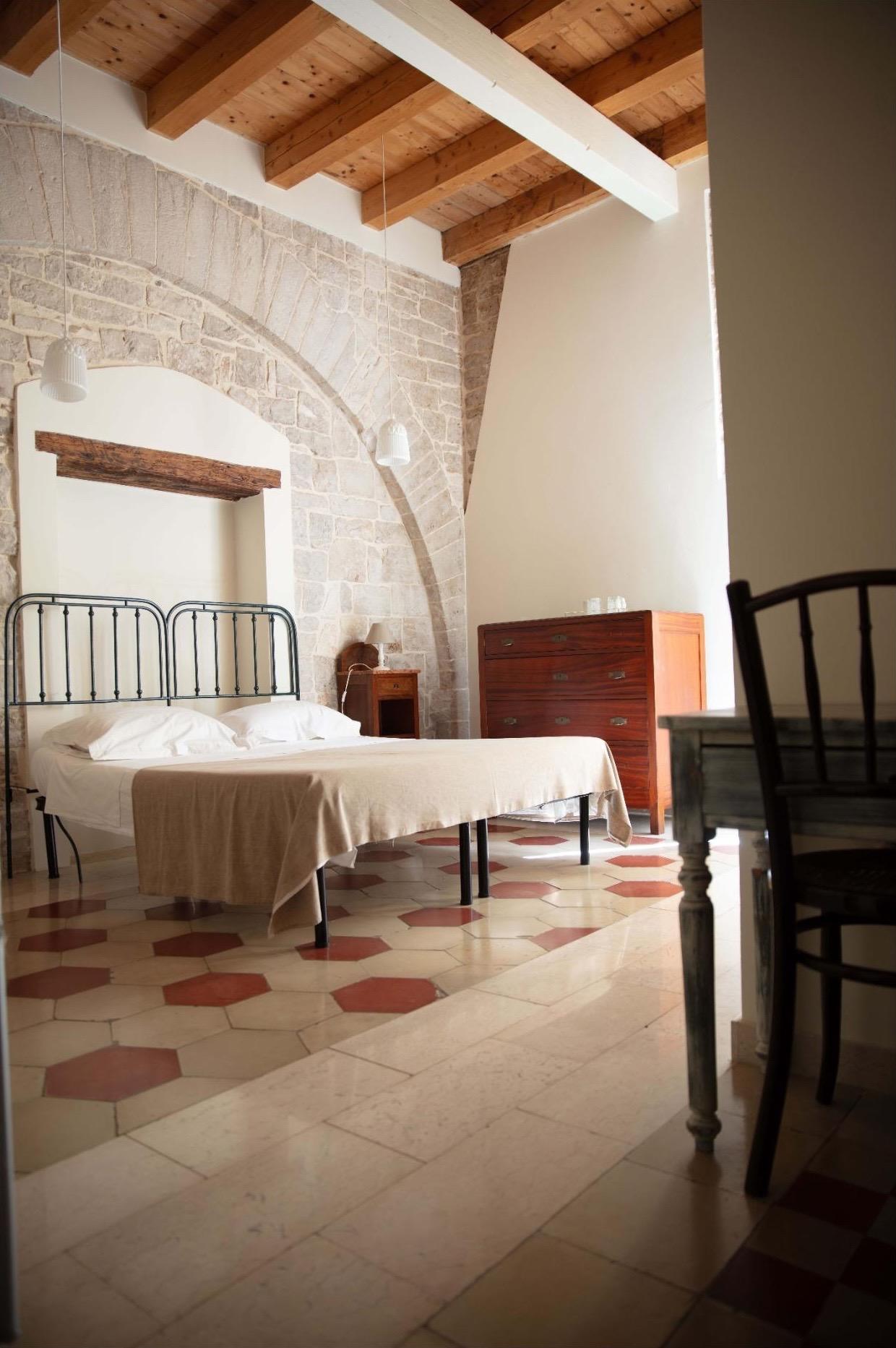
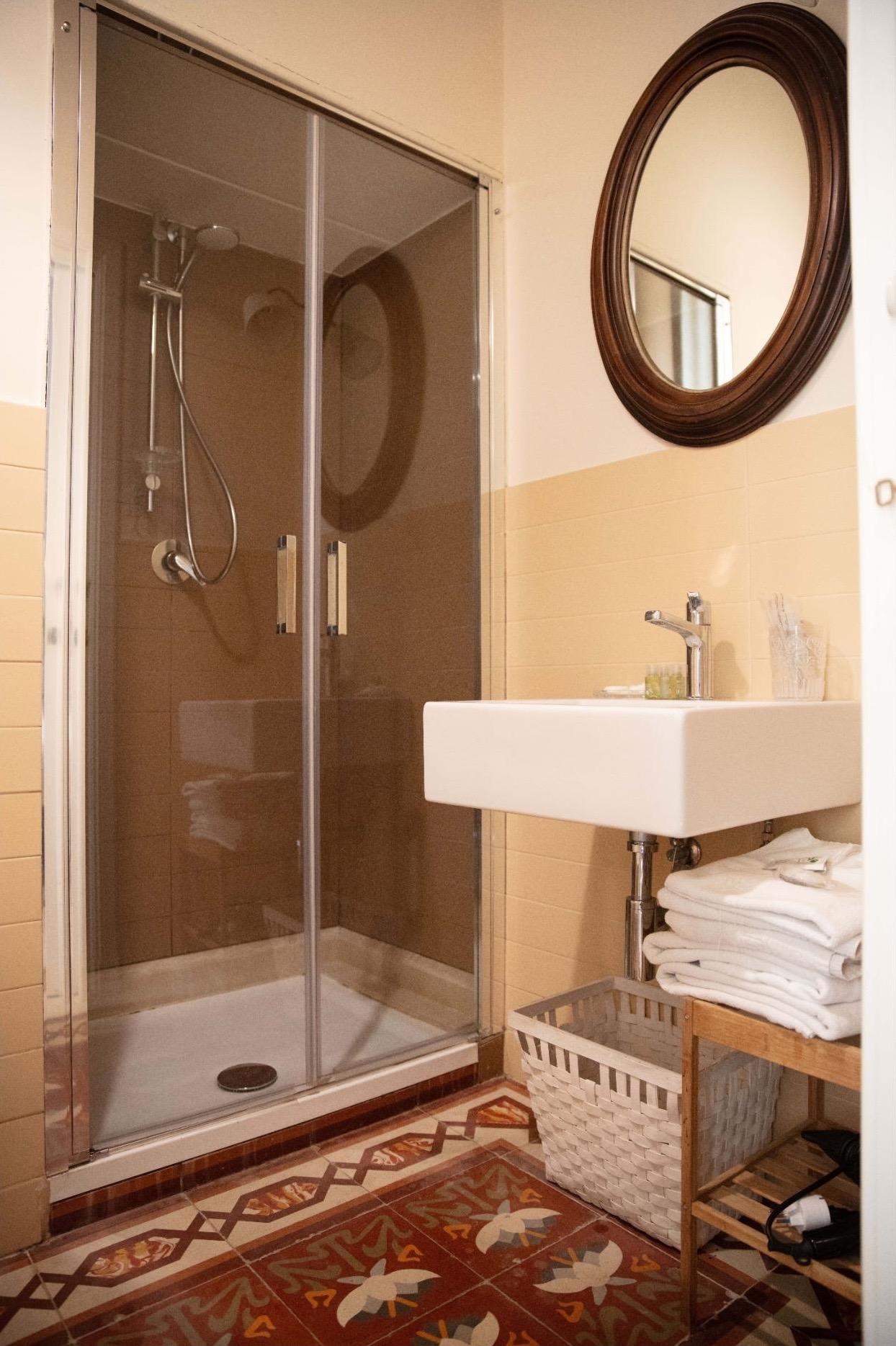
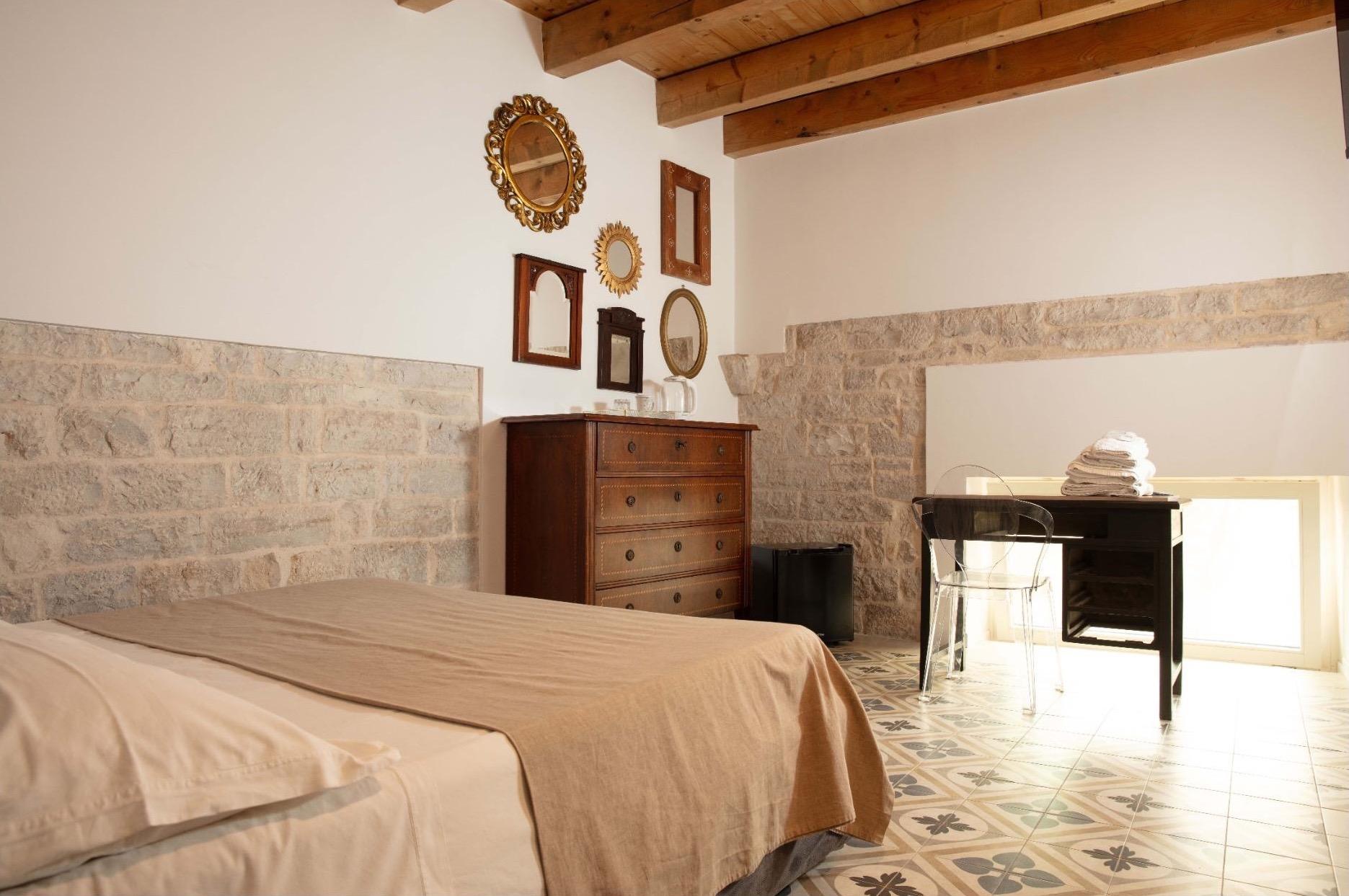
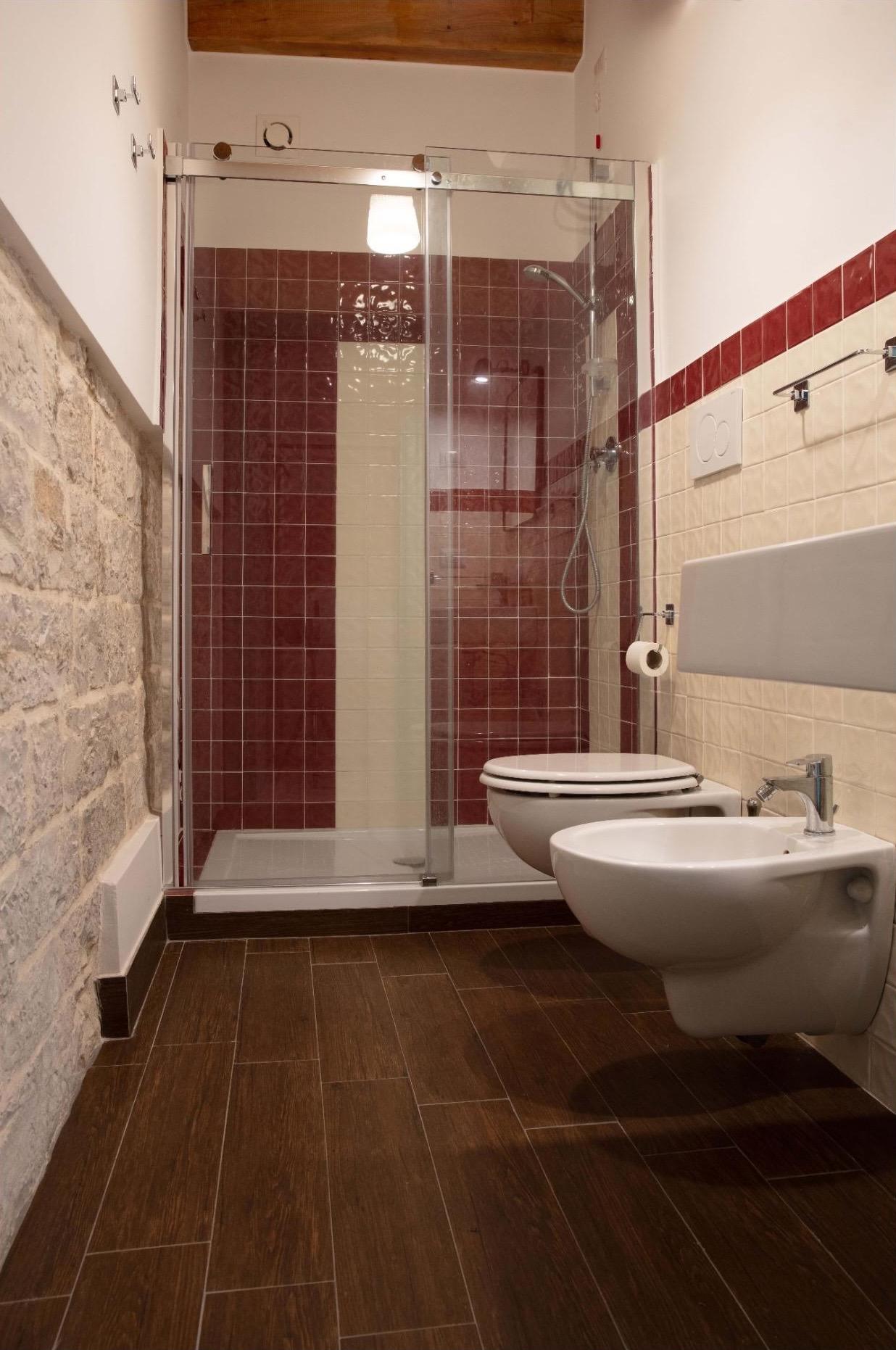
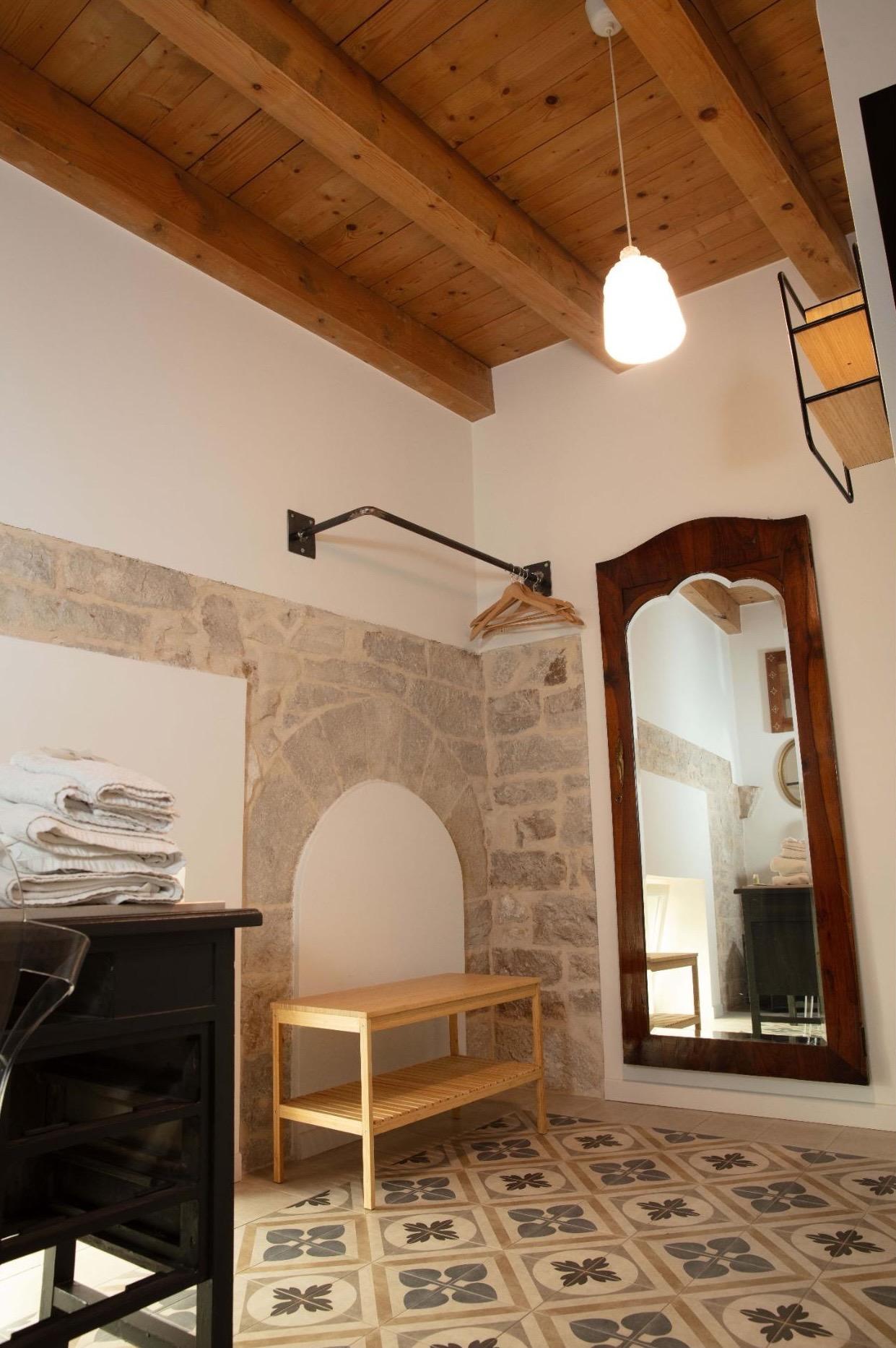
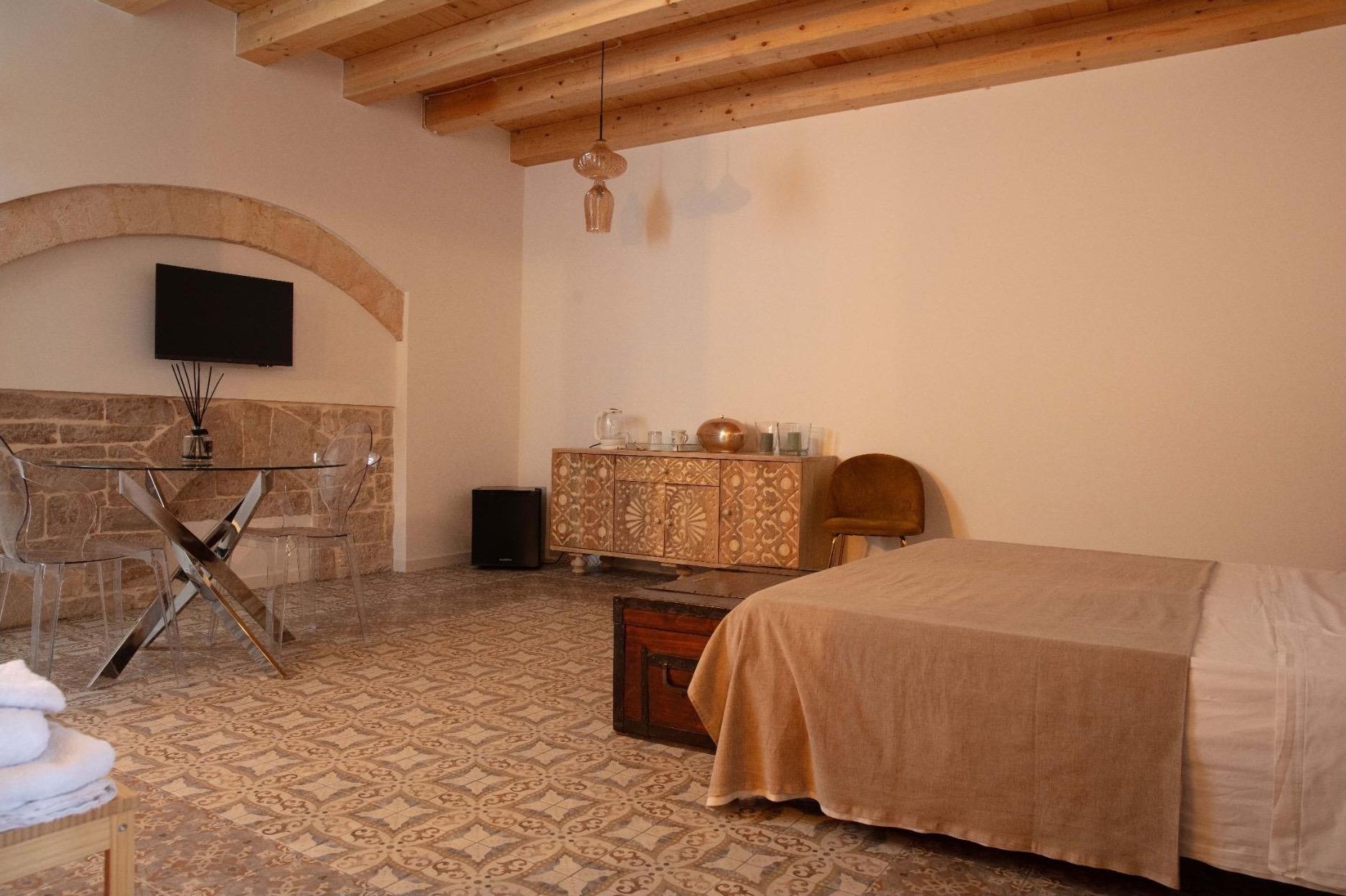
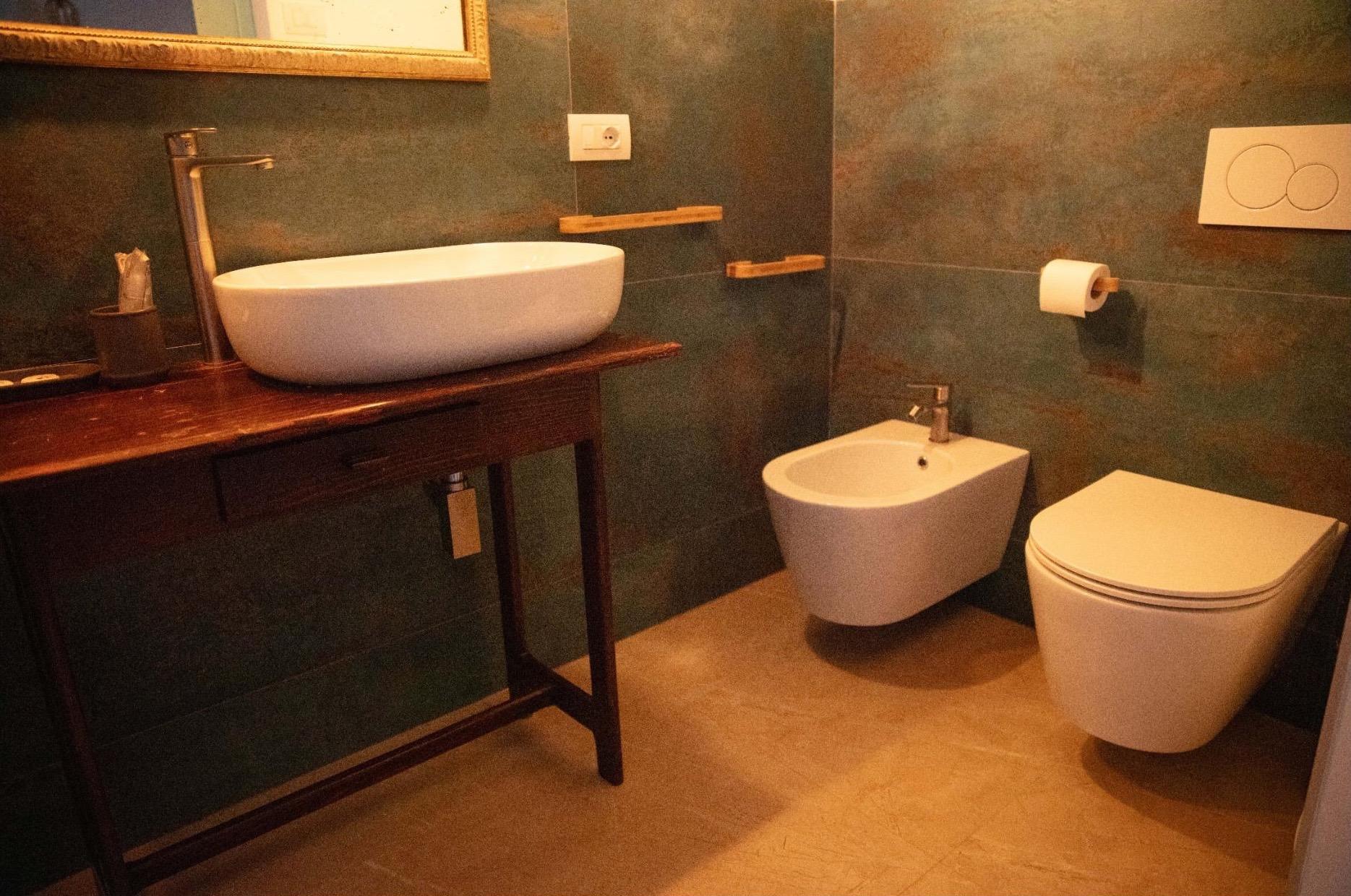
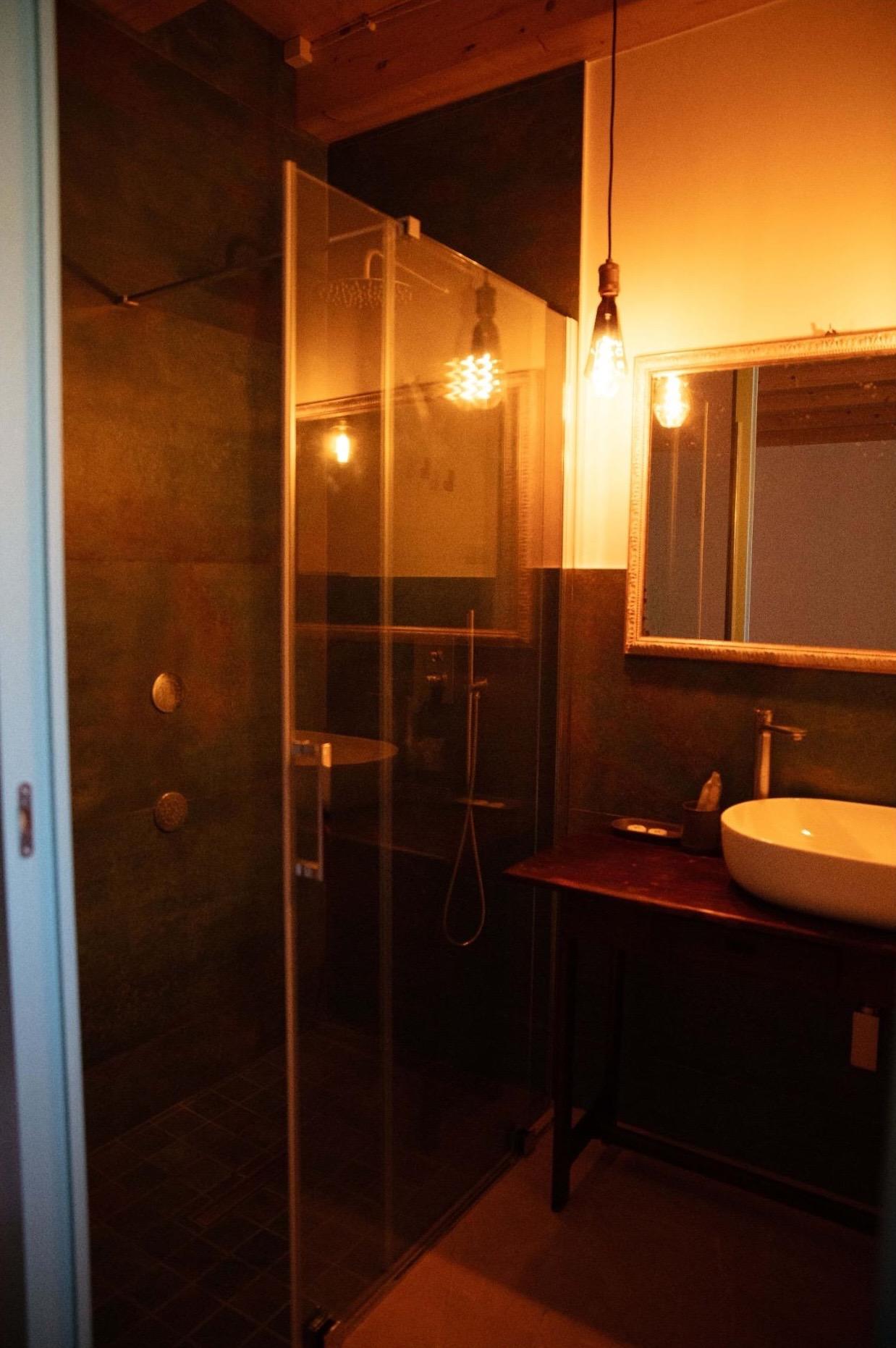
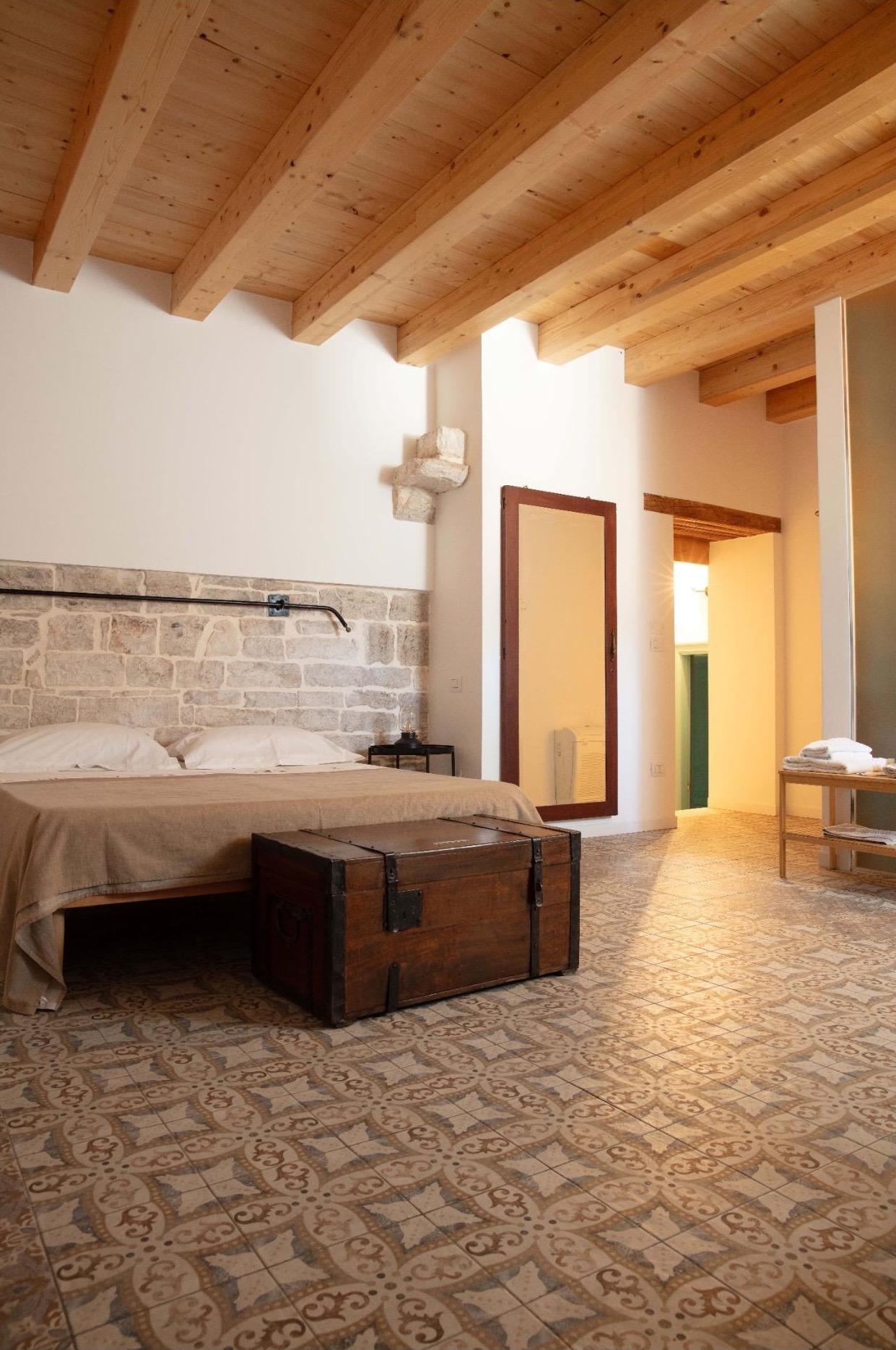
The rooms, six in total, are a skillful mix of elegance and history, tastefully furnished to reflect the tradition of the Lupicini family. Each environment tells a story through its furniture, some of which belonged to the noble family, combined with carefully chosen reclaimed elements. Guests can enjoy the comfort of air-conditioned rooms, each equipped with a private bathroom, in a setting where hospitality is synonymous with warmth and authenticity.
Palazzo Lupicini is not just a place to retreat to, but a privileged starting point to discover an extraordinary artistic and cultural heritage. The presence of historical churches such as San Adoeno and San Matteo, the Castle, and ancient Romanesque buildings enriches the offer of culturally stimulating itineraries. Visitors can also be tempted by Apulian cuisine, savoring traditional dishes in the numerous restaurants and trattorias that dot the village.
Every morning, breakfast at Palazzo Lupicini transforms into a moment of genuine pleasure, with homemade cakes, fresh bread, and jams made from seasonal fruit, all prepared with passion to offer a slow and quality awakening. In this convivial space, guests can immerse themselves in the family warmth, enjoying the elegance that permeates the palace and the stories that sleep within its walls.
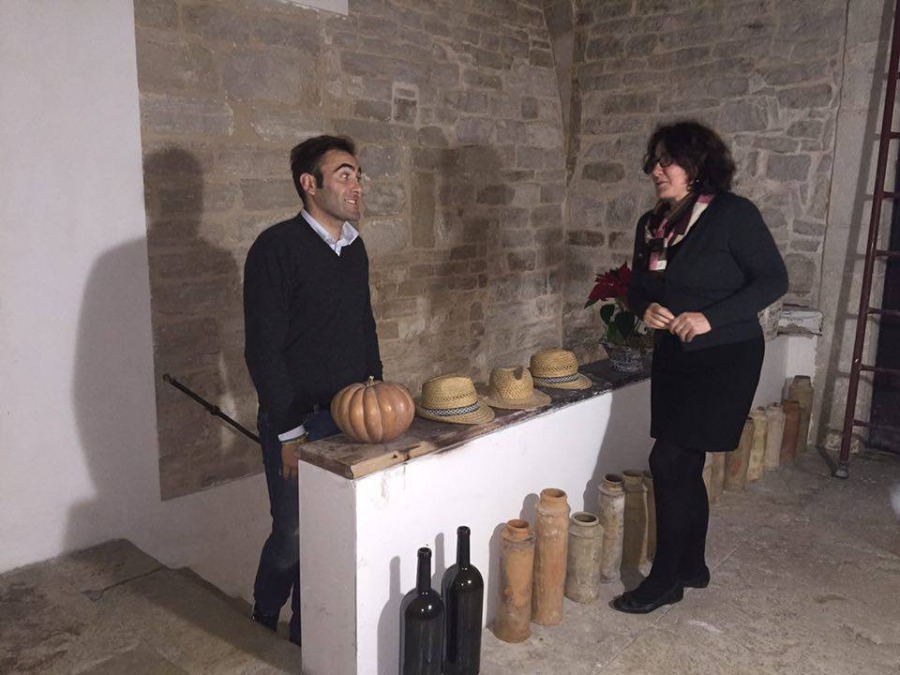
Led by Giulia Mastrogiacomo and her son Ciro Di Maio, the Palace offers a welcome that goes beyond mere hospitality, reflecting a love for their land and respect for traditions. Founded in 1997, the project was born from the desire to share the beauty of the place and to transform a historic residence into a warm and enveloping experience. Palazzo Lupicini is therefore a reflection of the family history, a place where the past harmoniously intertwines with the present, encapsulating the authentic essence of Apulia.